Journal · Local history
The Piano District: A Short History of Mott Haven's Factory Era
How a Bronx neighborhood came to be named for pianos, and how the brick that era left behind still shapes the streets today.
10 min readJune 9, 2026
The short answer
Mott Haven is called the Piano District because, a century ago, it built more pianos than anywhere in the country.
- By 1919 the Bronx held 63 piano factories employing more than 5,000 people, names like Estey, Beethoven, Kroeger, and Doll, making it the densest piano-making district in the United States.1
- The Estey Piano Company factory of 1886, with its tall corner Clock Tower at 112 Lincoln Avenue, still stands as one of the oldest large factories in Mott Haven and is a designated New York City landmark.2
- The Mott Haven Historic District, designated in 1969, was the first historic district in the Bronx, and its 19th-century row houses still define the streets around it.3
Why a neighborhood is named for pianos
The name is not a marketing invention
Walk through Mott Haven today and the word you will see on banners and building signs is the Piano District. It sounds like a developer's flourish, the kind of name invented to sell a new address. It is not. The name is a piece of real industrial history, and the red brick that gives the neighborhood its texture is the physical residue of that history.
This is a short, sourced account of how a stretch of the South Bronx along the Harlem River became the piano-making capital of the country, what it left behind when that era ended, and why the architecture of a new building here can read as a continuation of the story rather than a break from it. Every date and figure below is drawn from the public record, the city's own landmark designation reports and reputable neighborhood histories.
Before the pianos
An iron works gives the neighborhood its name
The story begins not with music but with iron. In 1828, the inventor and industrialist Jordan L. Mott established a foundry on the Harlem River to manufacture the cast-iron stoves he had patented, the first that could burn cheap anthracite coal. In 1841 he bought a large tract of land along the river and laid out a hamlet around his works. He gave it his own name: Mott Haven, the haven being both the river's navigable inlets and his vision of a self-contained community of manufacture and worker housing.
The J. L. Mott Iron Works grew into a sprawling operation that turned out stoves, tubs, sinks, fountains, and decorative ironwork, and many of the drain and manhole covers still set in the neighborhood's streets carry its foundry stamp. The works eventually moved to New Jersey in the early 1900s, but by then it had done its lasting work: it had drawn industry, rail, and labor to this bend in the river and set the pattern for everything that followed.
The piano capital
A neighborhood that built the country's pianos
The piano was the home entertainment center of its day, and for a few decades this corner of the Bronx supplied a remarkable share of the nation's instruments. Then technology turned: Edison's phonograph and, later, the radio gave families music without a piano in the parlor, demand fell away, and through the 1910s and 1920s the era faded. What it could not take with it was the building stock, blocks of red brick, oversized factory windows, and heavy ironwork proportions, that the industry had built and left behind.
The pianos are gone. The brick they were built in is still standing, and the neighborhood now wears the era as its name.
The surviving landmark
The Estey Clock Tower still keeps time
The tower is more than a relic. It is the clearest surviving evidence of why the neighborhood is called what it is, a working piano factory that outlasted the industry that built it. Restored and folded into newer development, it now stands at the heart of the district as both a landmark and a reference point, the building that everything around it is, in a sense, named after.
The historic fabric
The first historic district in the Bronx
From then to now
What the era left, and what reads next
An industrial era usually leaves a neighborhood with a problem: empty factories, obsolete buildings, a name that no longer means anything. Mott Haven's piano era left it with an inheritance instead. The red brick, the big factory windows, and the ironwork proportions are not nostalgia; they are the material identity of the place, durable and specific and impossible to fake. That is what makes the Piano District a real district and not just a slogan.
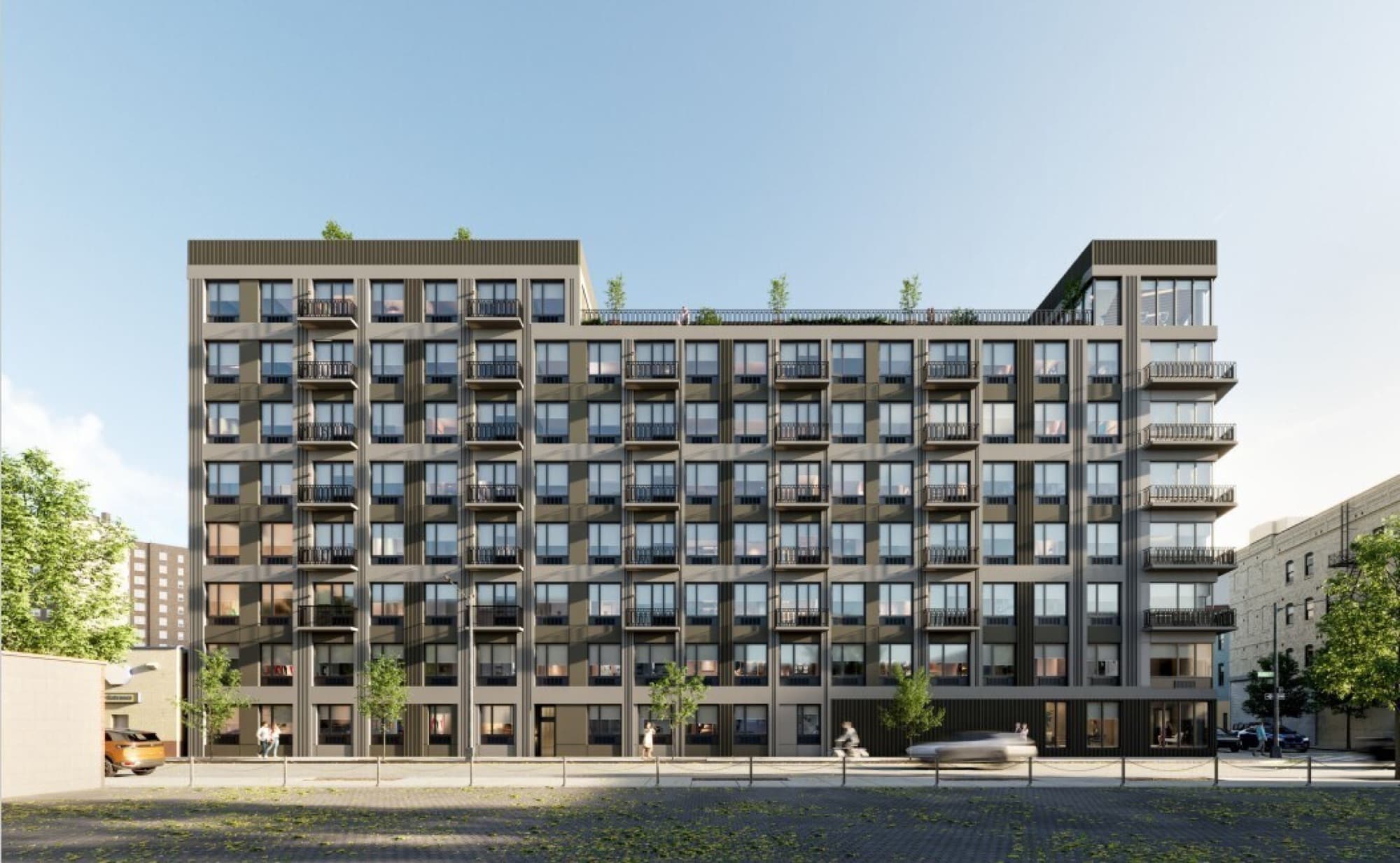
It is also the language a thoughtful new building can choose to speak. The Astelle was built in brick and large windows that deliberately continue the neighborhood's material story rather than ignore it. A new residence here is not pretending to be a piano factory; it is reading as the next entry in a ledger the neighborhood has been keeping since the 1880s.
Sources
- Estey Piano Company Factory designation report (the 63 factories and 5,000-plus workers by 1919), NYC Landmarks Preservation Commission, 2006
- Estey Piano Company Factory designation report (the 1886 factory and Clock Tower at 112 Lincoln Avenue), NYC Landmarks Preservation Commission, 2006
- 10 sites to discover in Mott Haven, the Bronx's first historic district (designated 1969), 6sqft and the NYC Landmarks Preservation Commission
- Bertine Block Historic District designation report (thirty-one row houses, 1877 to 1899), NYC Landmarks Preservation Commission, 1994
Plan a visit
See the brick the era left behind.
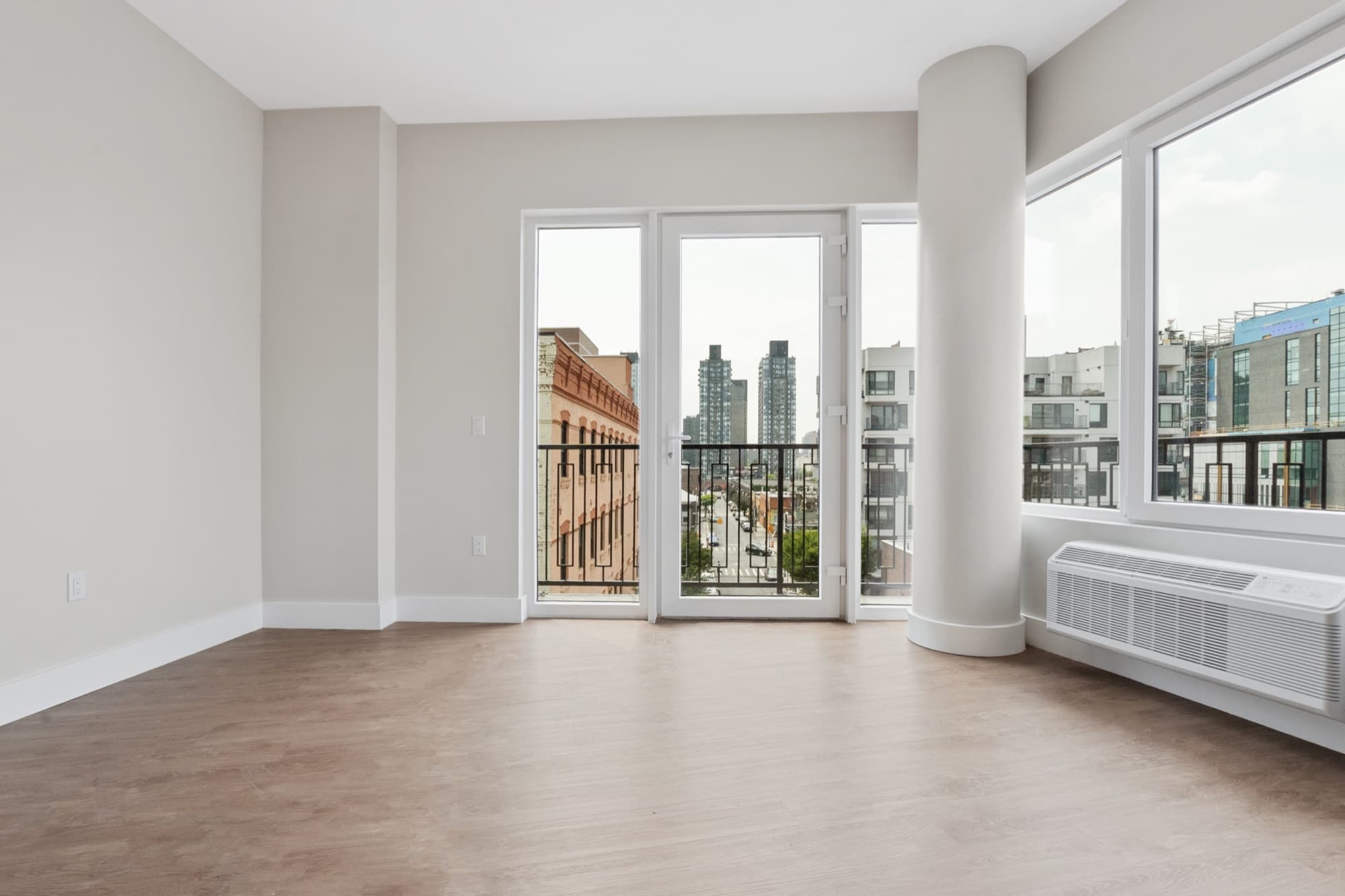
The Astelle reads as the next chapter of the Piano District, in brick, light, and proportion drawn from the neighborhood itself. Come walk it in person.